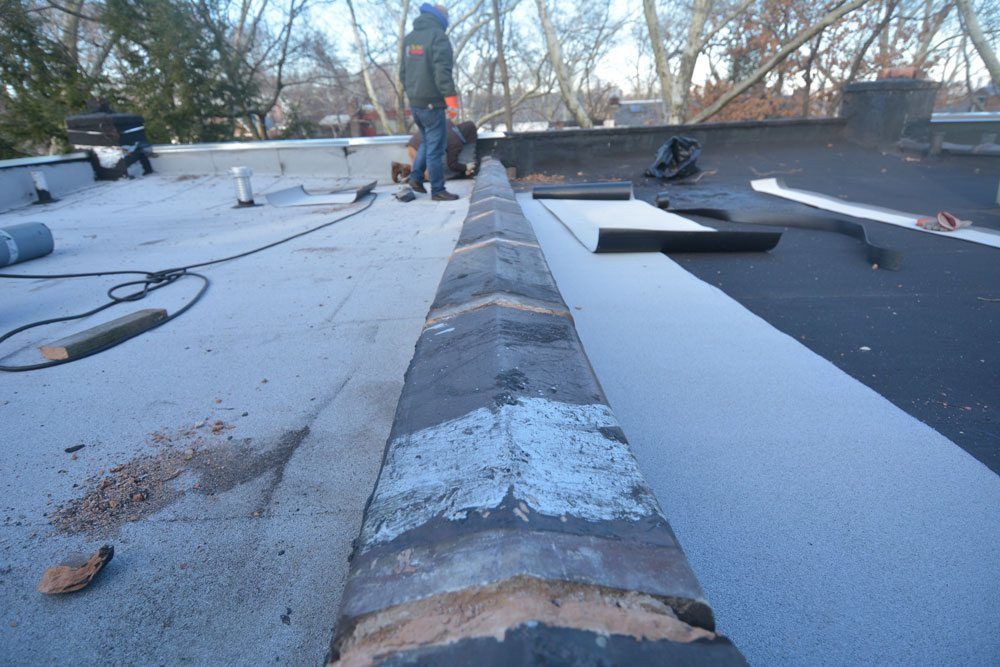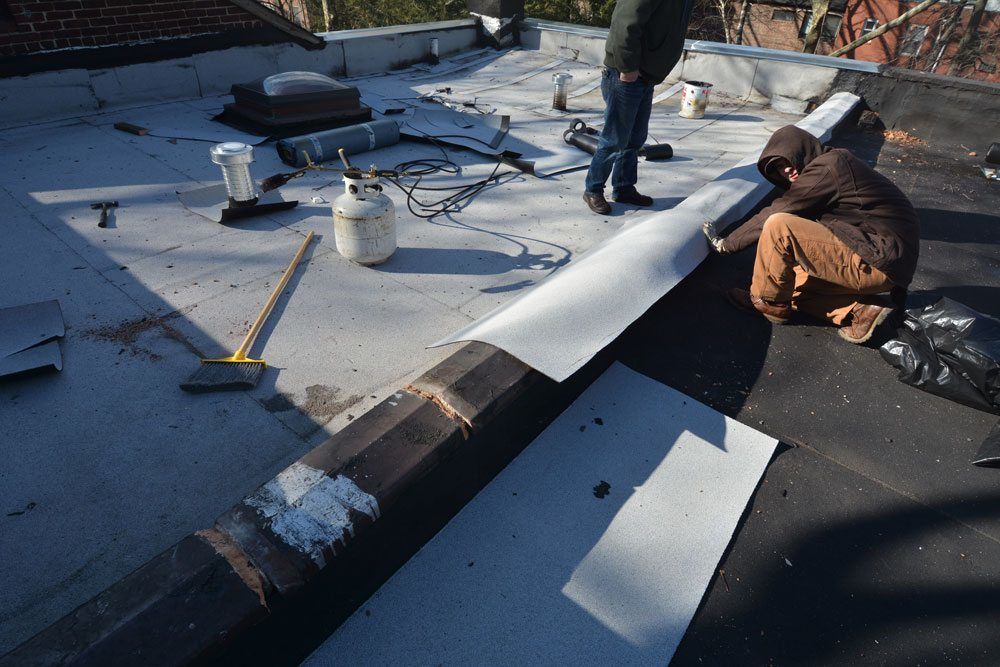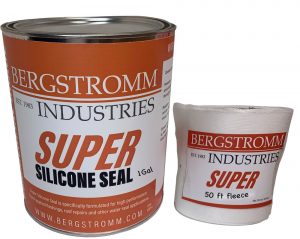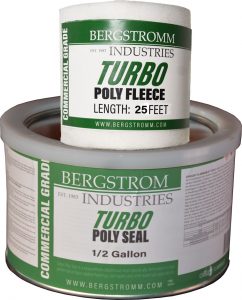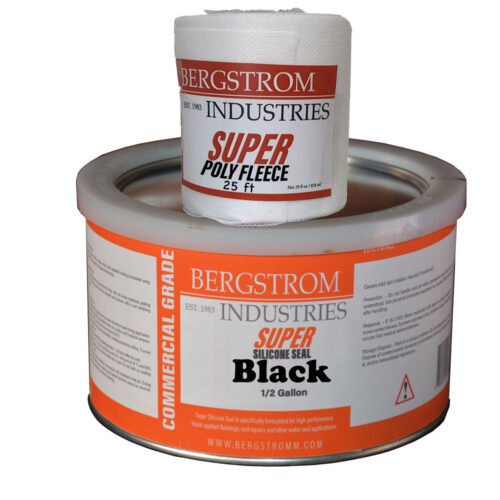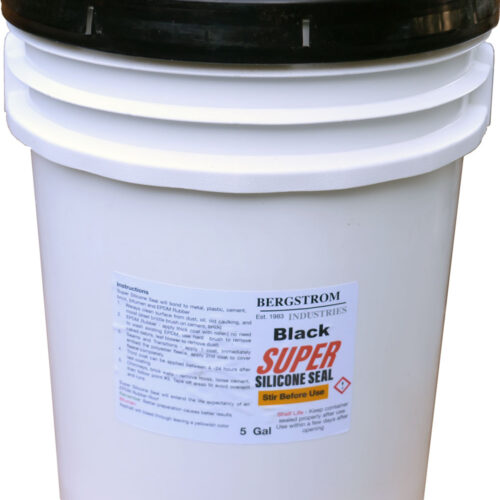
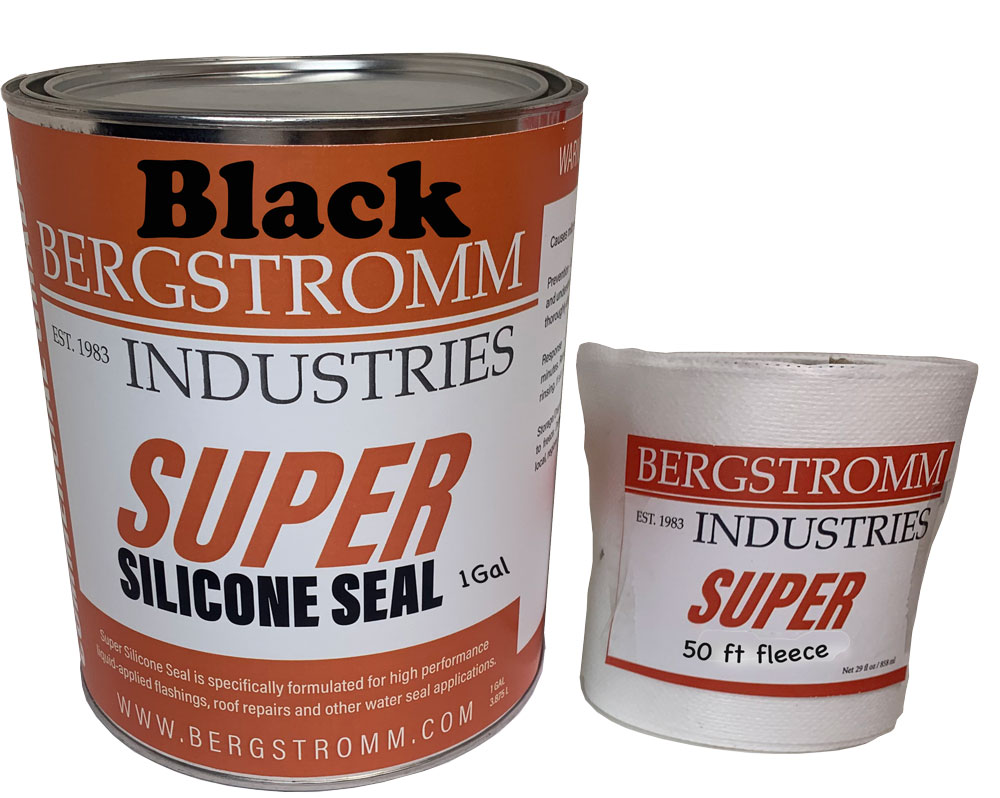
Black Super Silicone Seal Roof Leak 1 Gal + 50 ft Poly Fleece

Black Super Silicone Seal is specially formulated to seal, protect, and extend the life of EPDM rubber roofs. Ideal for repairing seams and transitions, polyester fleece provides added reinforcement and flexibility. This high-performance sealant adheres to a wide range of surfaces, including metal, glass, concrete, cement, TPO, and EPDM rubber. Note: This product is not paintable.

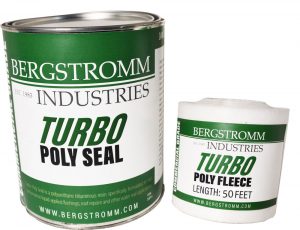
Turbo Poly Seal vs. Super Silicone Seal

Not sure which sealant fits your repair? Compare surfaces, applications, coverage, colors, and other key differences before choosing.

Important note: Please be aware that metal cans may arrive with dents due to shipping.

From: $240.00

No additional shipping charges on products below in this package

Poly Fleece roof leak repair 1 Roll - 50 ft

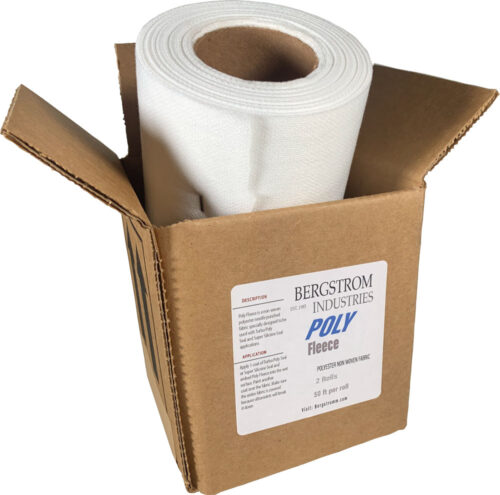
Strengthen your roof repairs with Poly Fleece, a non-woven polyester fabric designed to work with Turbo Poly Seal and Super Silicone Seal.

  • No Hassle Refunds
  • Secure Payments
Guaranteed Safe Checkout
SKU: SSS 1 Gal Black Categories: ,

SDS Document

Turbo Poly Seal vs Super Silicone Seal

Answers to FAQ

Application Uses


Turbo Poly Seal


Super Silicone Seal

What are Turbo Poly Seal and Super Silicone Seal made of?Turbo Poly Seal is a urethane/asphalt-based sealant.Super Silicone Seal is a silicone/mica-based sealant.
What is the coverage?Approx. 35 - 40 ln ftApprox. 40- 45 ln ft
How wide is the Polyester Fleece?4" wide4" wide
Where can I find your products?Turbo Poly Seal is only sold online at https://bergstromm.com/Super Silicone Seal is only sold online at https://bergstromm.com/
How soon after application can it rain?Turbo Poly Seal can be exposed to rain approximately 5 minutes after application.Super Silicone Seal can be exposed to rain approximately 30 minutes after application.
How long does the product take to cure?Turbo Poly Seal has an approximate curing time of 24 hours.Super Silicone Seal has an approximate curing time of 24 hours.
What is the recommended application temperature range?Turbo Poly Seal can be applied at temperatures from approximately 25°F to 100°F.Super Silicone Seal can be applied at temperatures from approximately 25°F to 100°F.
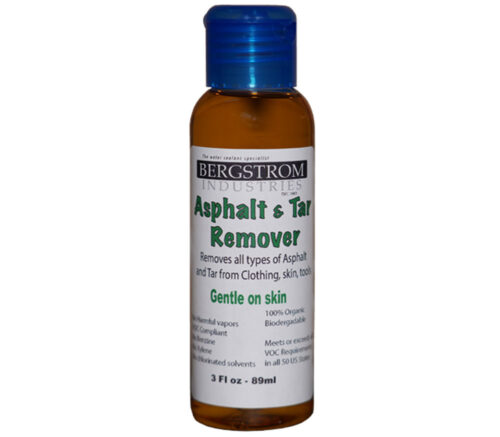
What should be used to clean up the product?Clean up Turbo Poly Seal with asphalt and tar remover or lacquer thinner.Clean up Super Silicone Seal with soap and water while the product is still wet.
Should a disposable paintbrush be used for application?Yes. Use a disposable paintbrush when applying Turbo Poly Seal.Yes. Use a disposable paintbrush when applying Super Silicone Seal.
Can the product be used to coat an entire roof surface?No. Turbo Poly Seal is not recommended for coating an entire roof surface.Yes. Super Silicone Seal can be used to coat an entire EPDM rubber roof surface. Use a 1/2-inch nap roller.
Is the product suitable for steep metal roofs?Yes. Turbo Poly Seal is suitable for steep metal roofs because its high viscosity helps it stay in place.No. Super Silicone Seal is not recommended for steep metal roofs because it is more liquid and can run on steep surfaces.
Is the product suitable for low-slope metal roofs?Yes. Turbo Poly Seal performs very well on low-slope metal roofs.Yes. Super Silicone Seal is especially effective on seams and screws on low-slope metal roofs.
Can the product be used as roof flashing?Yes. Turbo Poly Seal is excellent for flashing applications and is relatively easy to apply.Yes. Super Silicone Seal can be used as flashing, although it is not as easy to apply as Turbo Poly Seal.
Can the product repair cracks in cement or concrete block walls?Yes. Turbo Poly Seal works very well on cement or concrete block wall cracks when used with reinforcing fleece.No. Super Silicone Seal is generally too runny for easy application on cement or concrete block wall cracks.
Can the product repair cracked stucco walls?Yes. Turbo Poly Seal can repair cracked stucco walls when used with reinforcing fleece.Super Silicone Seal is not recommended for cracked stucco walls because it is difficult to use on vertical surfaces.
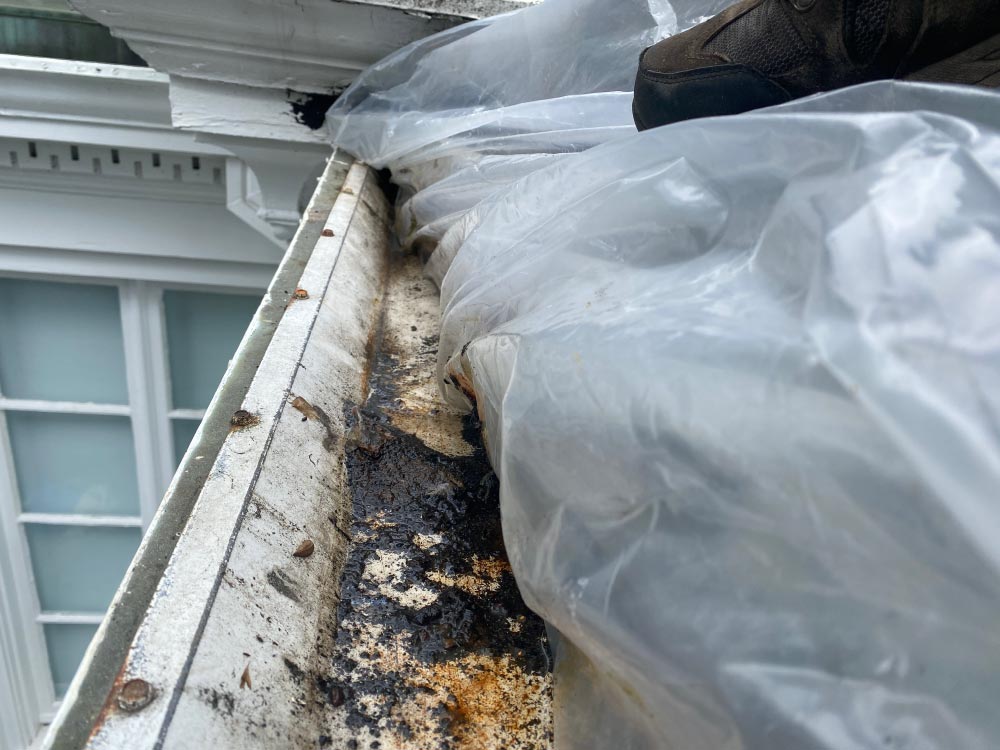
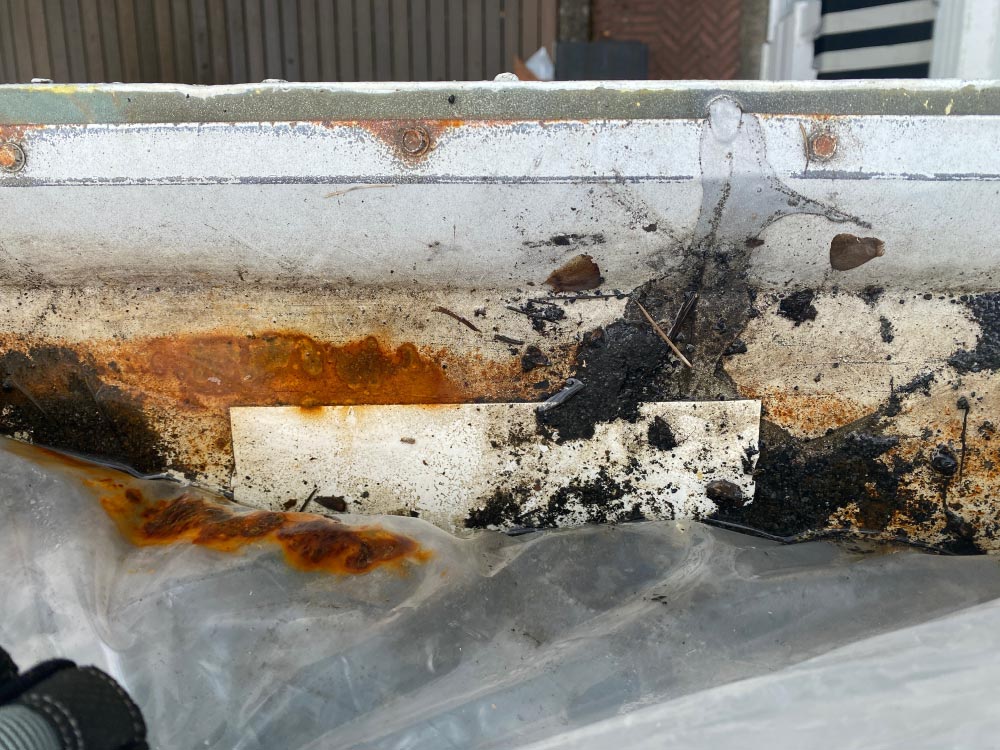
Can the product seal gutter seams?Yes. Turbo Poly Seal is excellent for sealing gutter seams.Yes. Super Silicone Seal can be used to seal gutter seams.
Can the product be used as a surface coating on an EPDM rubber roof?No. Turbo Poly Seal is not recommended as a full-surface coating for EPDM rubber roofing.Yes. Super Silicone Seal is excellent as an EPDM rubber roof surface coating, with approximate coverage of 70 square feet per gallon.
Can the product be used on air-conditioning ducts?Yes. Turbo Poly Seal can be used to seal air-conditioning ducts.Yes. Super Silicone Seal can be used to seal air-conditioning ducts.
Can the product be used to fill pitch pockets?Yes. Turbo Poly Seal is very good for filling pitch pockets.Yes. Super Silicone Seal is excellent for filling pitch pockets.
Is the product suitable for trafficked areas such as door entrances?Yes. Turbo Poly Seal is durable and suitable for trafficked areas such as door entrances.Super Silicone Seal is softer and may be damaged in areas that receive regular foot traffic.
Does the product adhere to metal?Yes. Turbo Poly Seal adheres to metal.Yes. Super Silicone Seal adheres to metal.
Does the product adhere to cement?Yes. Turbo Poly Seal adheres to cement.Yes. Super Silicone Seal adheres to cement.
Does the product adhere to brick?Yes. Turbo Poly Seal adheres to brick.Yes. Super Silicone Seal adheres to brick.
Does the product adhere to glass?No. Turbo Poly Seal is not recommended for adhesion to glass.Yes. Super Silicone Seal has excellent adhesion to glass.
Does the product adhere to Plexiglass?Yes. Turbo Poly Seal adheres to Plexiglass.Yes. Super Silicone Seal adheres to Plexiglass.
Does the product adhere to TPO roofing membrane?Turbo Poly Seal can adhere to older or weathered TPO roofing surfaces.Yes. Super Silicone Seal adheres to TPO roofing membrane.
Does the product adhere to torch-down rubber roofing membrane?Yes. Turbo Poly Seal adheres to torch-down rubber roofing membrane.Super Silicone Seal can adhere to torch-down rubber roofing membrane, but it is not the recommended choice.
Does the product adhere to asphalt or tar?Yes. Turbo Poly Seal adheres to asphalt and tar surfaces.No. Super Silicone Seal is not recommended for asphalt or tar surfaces.
Does the product adhere to plastic?No. Turbo Poly Seal is not recommended for plastic surfaces.Super Silicone Seal adheres to some types of plastic.
Does the product adhere to EPDM rubber roofing?No. Turbo Poly Seal is not recommended for direct adhesion to EPDM rubber roofing.Yes. Super Silicone Seal has excellent adhesion to EPDM rubber roofing.
Does the product adhere to wood?Yes. Turbo Poly Seal adheres to wood.Yes. Super Silicone Seal adheres to wood.
Does the product adhere to concrete?Yes. Turbo Poly Seal adheres to concrete.Yes. Super Silicone Seal adheres to concrete.
Does the product adhere to lightly rusted surfaces?Yes. Turbo Poly Seal can adhere to lightly rusted surfaces after light cleaning.Yes. Super Silicone Seal can adhere to lightly rusted surfaces after light cleaning.
Does the product adhere to copper and aluminum?Yes. Turbo Poly Seal adheres to copper and aluminum.Yes. Super Silicone Seal adheres to copper and aluminum.
Does the product adhere to silicone caulking?No. Turbo Poly Seal does not adhere to silicone caulking.No. Super Silicone Seal does not adhere to silicone caulking.
Does the product adhere to latex caulking?Yes. Turbo Poly Seal adheres to latex caulking.Yes. Super Silicone Seal adheres to latex caulking.
Does the product adhere to painted surfaces?Yes. Turbo Poly Seal adheres to painted surfaces.Yes. Super Silicone Seal adheres to painted surfaces.
Can the product be applied to a wet surface?No. Turbo Poly Seal should not be applied to a wet surface.No. Super Silicone Seal should not be applied to a wet surface.
Is the product recommended for basement walls?No. Turbo Poly Seal is not recommended for basement wall applications.No. Super Silicone Seal is not recommended for basement wall applications.
Does the product adhere to oily surfaces?Turbo Poly Seal is less sensitive to oily surface conditions and is listed as suitable for oily surfaces.No. Super Silicone Seal will not adhere properly to an oily surface.
Is the product UV protected?No. Turbo Poly Seal is not inherently UV protected, although the comparison indicates it can last approximately 8–10 years without additional UV protection.Yes. Super Silicone Seal is UV protected, with an indicated service life of approximately 12–20 years.
Can the product be recoated?Yes. Turbo Poly Seal can be recoated after approximately one year.Yes. Super Silicone Seal can be recoated.
Can the product be painted?Yes. Turbo Poly Seal can be painted, including with paint used to provide additional UV protection.No. Paint does not adhere properly to Super Silicone Seal.
When should reinforcing fleece be used?Use reinforcing fleece with Turbo Poly Seal over cracks and transitions.Use reinforcing fleece with Super Silicone Seal over cracks and transitions.
Can the product be used in areas where ponding water occurs?Yes. Turbo Poly Seal can be used in areas where ponding water occurs.Yes. Super Silicone Seal can be used in areas where ponding water occurs.
Can the product be used to cover or repair a chimney crown?Yes. Turbo Poly Seal can be used on a chimney crown; use reinforcing fleece over cracks.Yes. Super Silicone Seal can be used on a chimney crown; use reinforcing fleece over cracks.
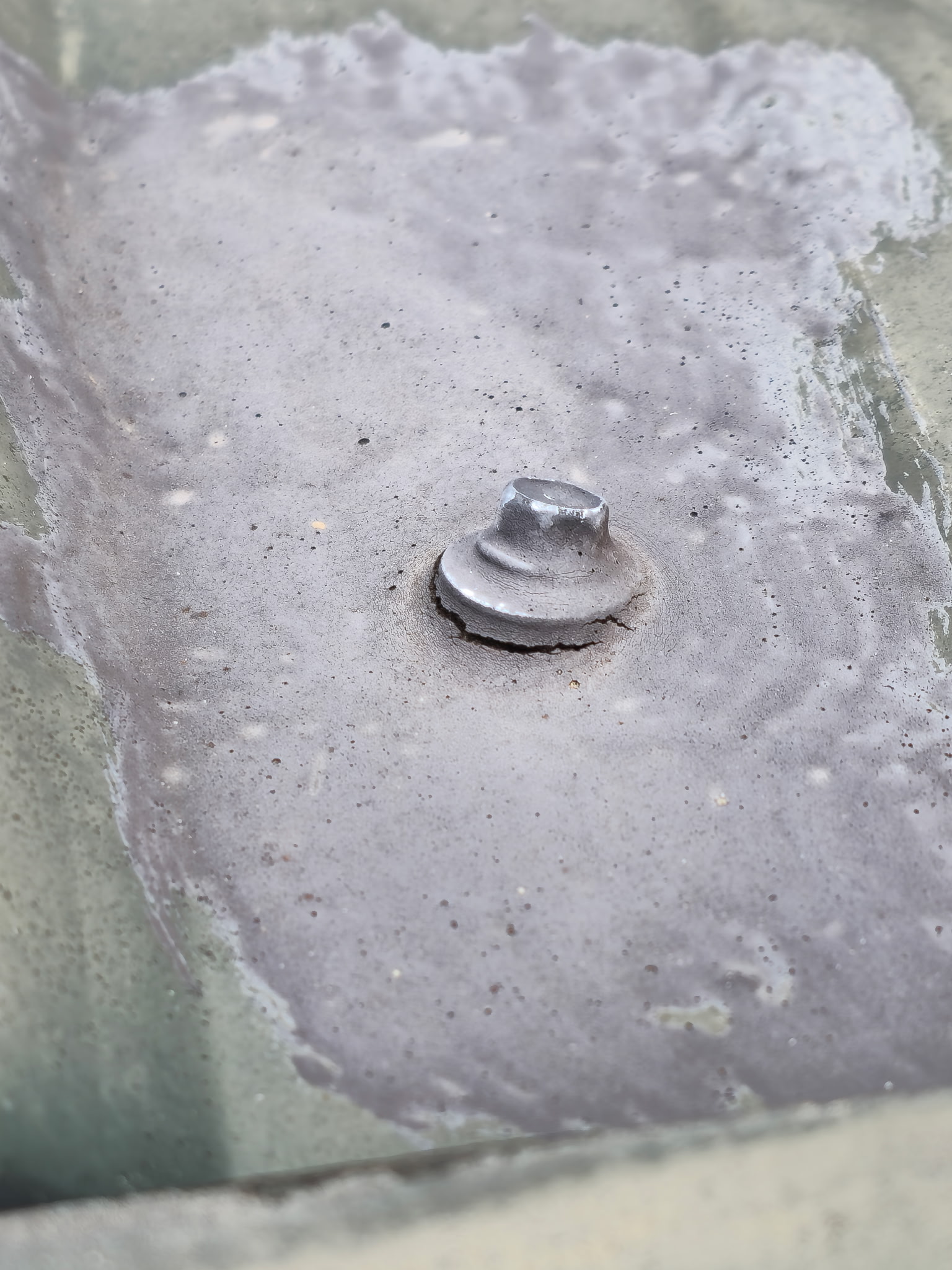
Can the product be applied over metal roof screws?Yes. Turbo Poly Seal can be applied over metal roof screws without reinforcing fleece.Yes. Super Silicone Seal can be applied over metal roof screws without reinforcing fleece.
Can the product be applied over metal roof seams?Yes. Turbo Poly Seal can be used over metal roof seams with reinforcing fleece.Yes. Super Silicone Seal can be used over metal roof seams with reinforcing fleece.
Can the product be used in submerged underwater conditions?Yes. Turbo Poly Seal is listed as suitable for submerged underwater conditions, but it should not be applied to a wet surface.Yes. Super Silicone Seal is listed as suitable for submerged underwater conditions, but it should not be applied to a wet surface.
Does the product help prevent rust?Yes. Turbo Poly Seal helps protect sealed metal surfaces from rust.Yes. Super Silicone Seal helps protect sealed metal surfaces from rust.
How long does the product typically last?Turbo Poly Seal has an indicated service life of approximately 8–10 years without additional protection.Super Silicone Seal has an indicated service life of approximately 12 years or longer.
What colors are available?Turbo Poly Seal is brown and fades to a lighter brown over time.Super Silicone Seal is available in white and black.
What is the unopened shelf life?Unopened Turbo Poly Seal has an approximate shelf life of 6–12 months.Unopened Super Silicone Seal has an approximate shelf life of 6–12 months.
What is the shelf life after opening?Opened Turbo Poly Seal has an approximate shelf life of 3–6 months, depending on the amount of air and moisture trapped in the container.Opened Super Silicone Seal has an approximate shelf life of 3–6 months, depending on the amount of air and moisture trapped in the container.
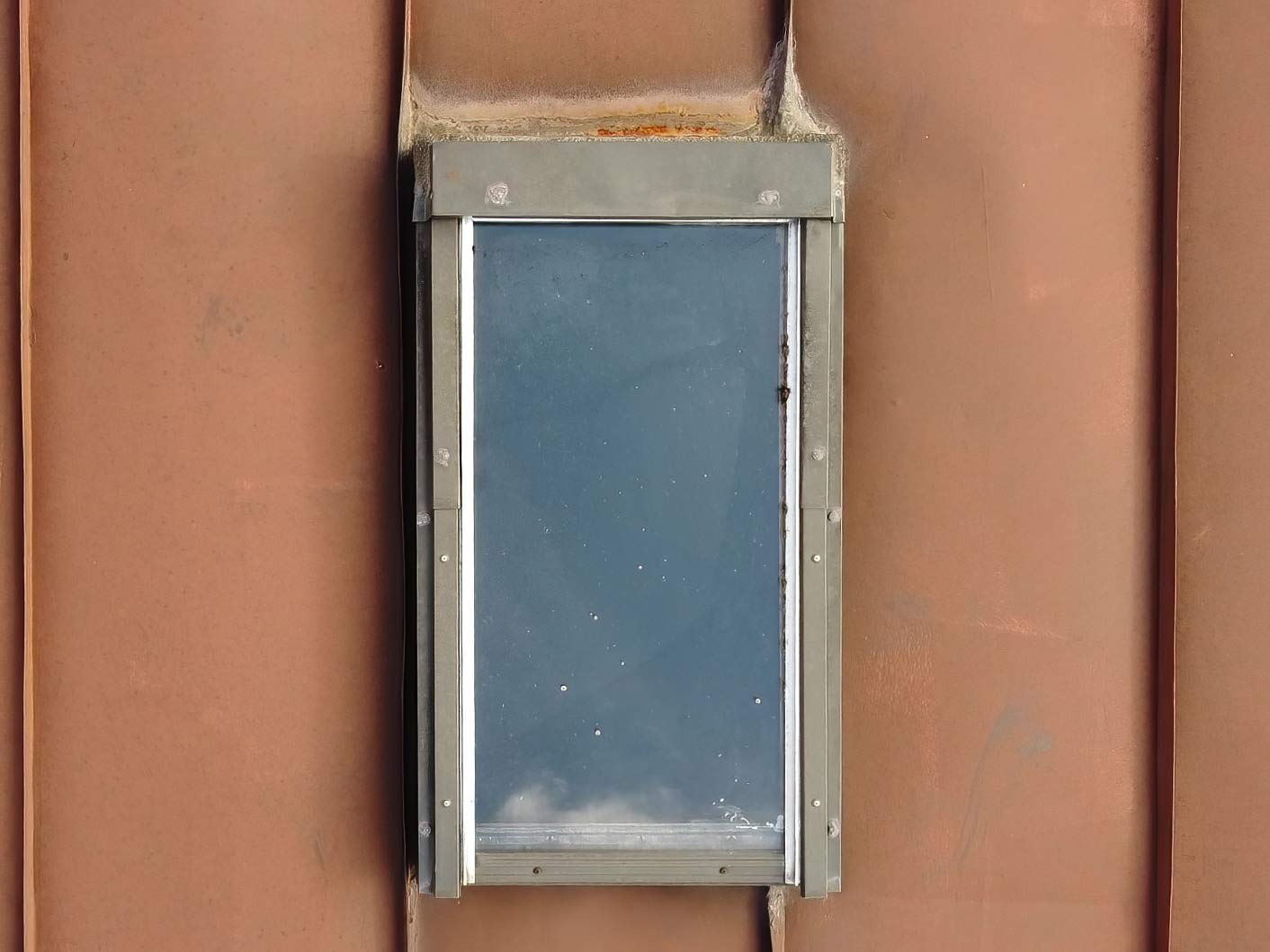
Can the product be used to seal skylights?No. Turbo Poly Seal is not recommended for sealing skylights.Yes. Super Silicone Seal can be used to seal skylights when used with reinforcing fleece.
Can the product be used around roof vent pipes?Yes. Turbo Poly Seal can be used to seal around roof vent pipes.Yes. Super Silicone Seal can be used to seal around roof vent pipes.
Can the product be used on EPDM seams in a fish pond?No. Turbo Poly Seal is not recommended for EPDM seams in fish ponds.Yes. Super Silicone Seal can be used on EPDM seams in fish ponds.
Can the product be used to seal RV roofs or shipping-container roof surfaces?No. Turbo Poly Seal is not recommended as a full-surface sealant for RV or shipping-container roofs.Yes. Super Silicone Seal is an extremely durable, long-lasting option for sealing RV and shipping-container roof surfaces.

Product Description

Black Super Silicone Seal: Important Information and Application Guide

Black Super Silicone Seal is a flexible, UV-resistant waterproofing sealant for roof repairs on EPDM rubber, TPO, metal, glass, skylights, ponds, gutters, concrete, and other compatible surfaces.

Brush or roll it onto a properly prepared, completely dry surface. Use Poly Fleece to reinforce seams, cracks, gaps, and transitions.

Best Uses

Black Super Silicone Seal is suitable for:

  • EPDM rubber roof seams and repairs
  • TPO roof repairs
  • Low-slope metal roof seams and screws
  • Skylight frames and glass-to-metal transitions
  • Roof flashing and penetrations
  • Chimney caps and concrete crown cracks
  • Gutter seams and joints
  • A/C ductwork and roof equipment
  • RV and shipping-container roof surfaces
  • EPDM pond-liner seams
  • Areas exposed to ponding water after curing
  • Full-surface coating of compatible roofs

Compatible Surfaces

Super Silicone Seal adheres to many properly prepared surfaces, including:

  • EPDM rubber
  • TPO roofing membrane
  • Metal
  • Aluminum and copper
  • Glass and Plexiglass
  • Concrete and cement
  • Brick
  • Wood
  • Painted surfaces
  • Some plastics

Always test a small area when the exact surface material or previous coating is unknown.

Do Not Apply Over

Super Silicone Seal should not be applied over:

  • Wet, frosted, or icy surfaces
  • Dirt, dust, oil, grease, or loose debris
  • Existing silicone caulking
  • Loose or peeling paint and roof coatings
  • Unstable, cracked, or deteriorated materials
  • Asphalt or tar surfaces
  • Surfaces where water can reach the uncured sealant

Super Silicone Seal will not bond properly to oily surfaces or existing silicone residue.

Important: Super Silicone Seal Cannot Be Painted

Super Silicone Seal is already UV resistant and does not require exterior paint for protection.

Do not apply paint over it because most paints will not adhere properly. If you need an additional layer, apply another coat of Super Silicone Seal.

Poly Fleece Is Essential

Always reinforce the following repairs with Poly Fleece:

  • Cracks
  • Open seams
  • Gaps and joints
  • Skylight transitions
  • Pond-liner seams
  • Roof flashing
  • Transitions between different materials

Poly Fleece helps distribute movement across the repair and prevents weak points from separating.

Fleece is generally unnecessary when coating a continuous roof surface or sealing individual metal roof screw heads.

Surface Preparation

Good preparation is essential for maximum adhesion.
  1. Make sure the repair area is completely dry.
  2. Remove loose dirt, dust, rust, caulk, oil, grease, and debris.
  3. Remove old silicone caulking and silicone residue.
  4. Lightly roughen smooth or glossy surfaces with 120-grit sandpaper.
  5. Wipe the surface with a clean rag and a compatible cleaner.
  6. Allow all cleaning solvents to evaporate completely.
  7. Use masking tape around the repair to keep edges clean and straight.

When cleaning EPDM, TPO, painted surfaces, plastics, or pond liners, test the cleaner in an inconspicuous area first. Strong solvents may damage certain materials.

Personal Protection

Before beginning:

  • Wear protective gloves.
  • Wear safety glasses.
  • Wear old clothes or protective clothing.
  • Use disposable brushes and rollers.
  • Work in a well-ventilated area.
  • Follow the safety instructions on the product label and Safety Data Sheet.

Super Silicone Seal can permanently stain clothing and may be difficult to remove after it begins curing.

Repairing Seams, Cracks, and Transitions

  1. Clean, prepare, and completely dry the repair area.
  2. Cut the Poly Fleece to the required length.
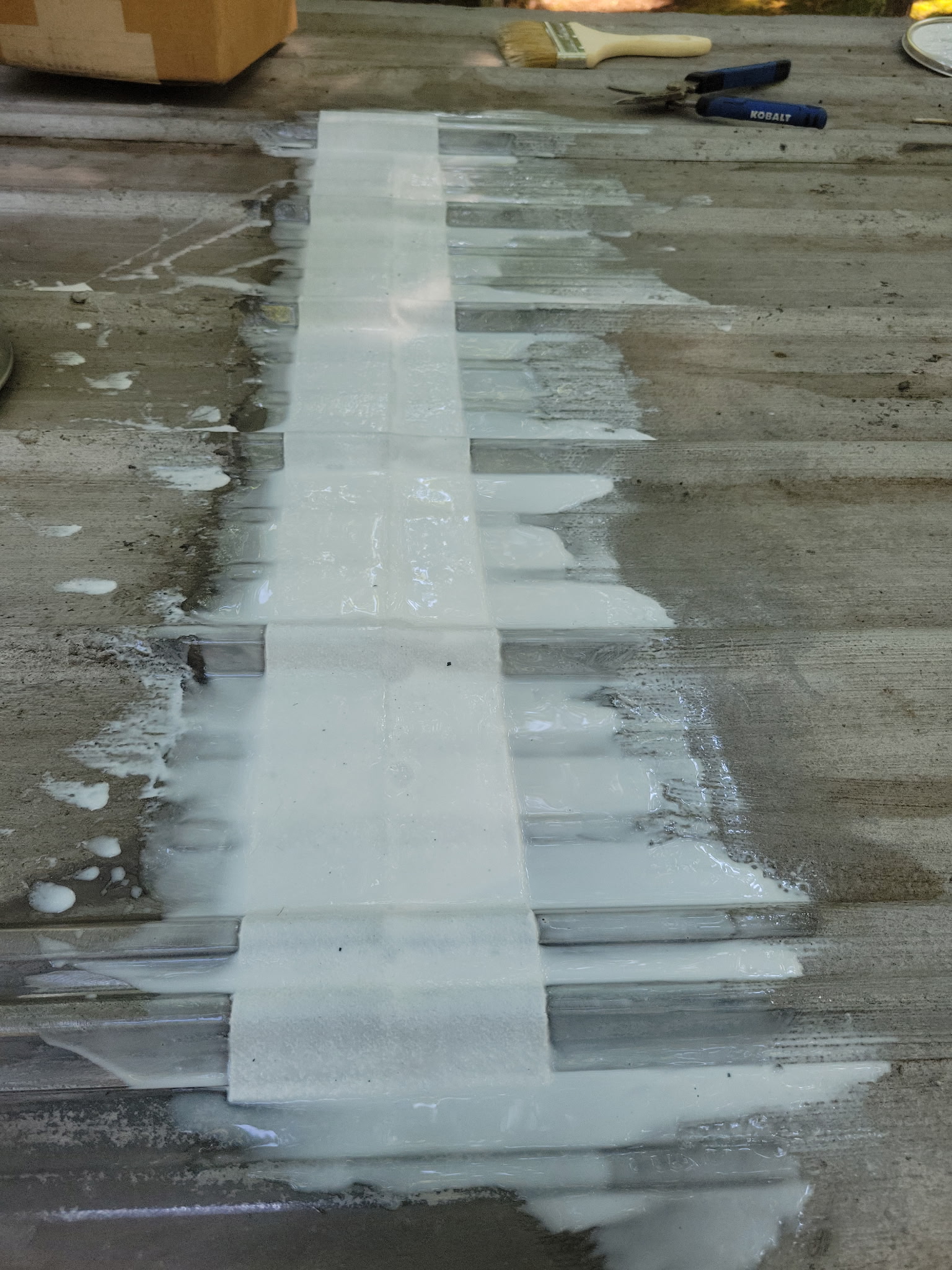
  3. Let the fleece extend about2–3 inches beyond each side of the seam or crack.
  4. Apply a generous first coat of Super Silicone Seal.
  5. Immediately embed the fleece into the wet sealant.
  6. Use a disposable brush to press the fleece firmly into the coating.
  7. Smooth out wrinkles, dry spots, and trapped air.
  8. Apply a second coat over the fleece until it is completely saturated and covered.
  9. Remove the masking tape before the sealant skins over.
  10. Allow the repair to cure without being disturbed.

You may apply an additional coat of Super Silicone Seal after about 4–12 hours, depending on temperature, humidity, and coating thickness.

Skylight Repairs

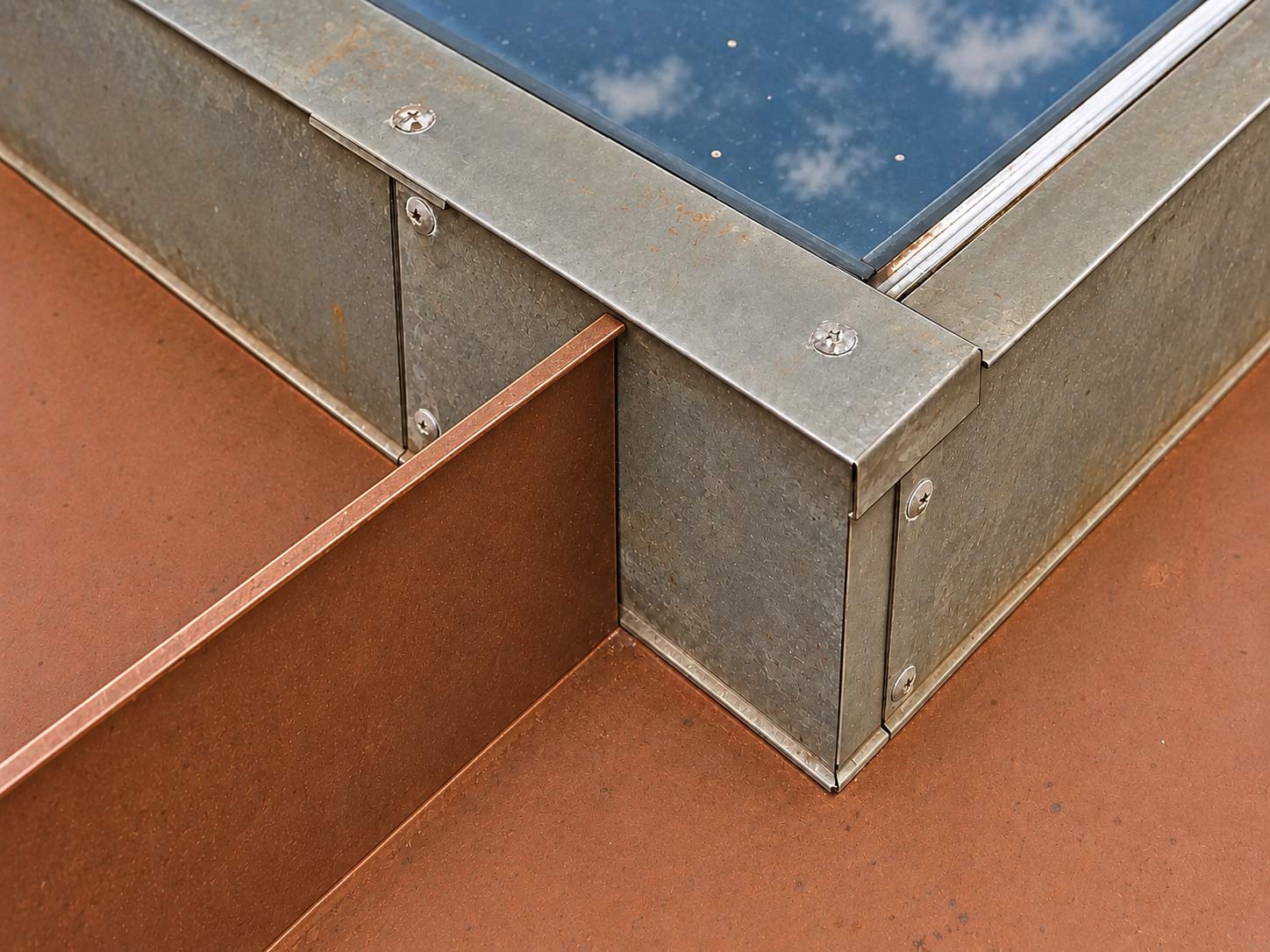
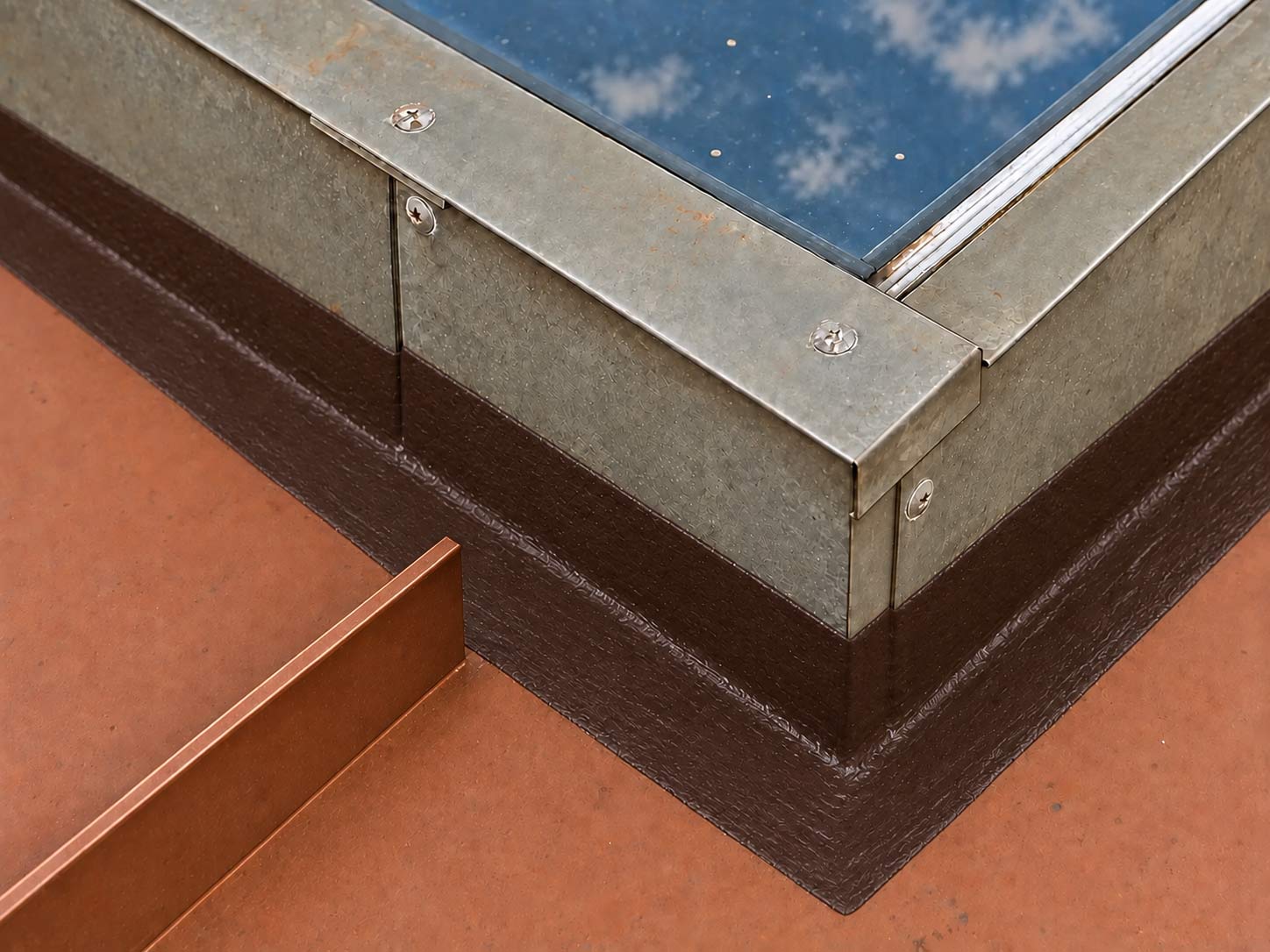
Super Silicone Seal is suitable for sealing many skylight leaks because it adheres to both glass and metal.

For best results:

  • Remove old, loose, or failed caulking.
  • Lightly roughen smooth surfaces where appropriate.
  • Clean and dry the repair area.
  • Apply the sealant across the entire leaking transition.
  • Use Poly Fleece to bridge the joint between the glass and frame.
  • Apply a second coat that completely covers the fleece.

Do not block skylight drainage channels or weep holes.

EPDM and TPO Roof Repairs

Use Super Silicone Seal to repair seams, flashing, cracks, and deteriorated areas on EPDM and compatible TPO roofing.

  • Clean the membrane without damaging it.
  • Make sure the surface is completely dry.
  • Use Poly Fleece over seams, cracks, gaps, and transitions.
  • Extend the repair beyond the damaged area.
  • Apply enough sealant to completely cover the fleece.

For TPO and other smooth membranes, test adhesion on a small area before beginning a large project.

Full-Roof Coating

You can roll or brush Super Silicone Seal over compatible EPDM, TPO, and low-slope metal roof surfaces.

  • Repair seams, cracks, holes, and flashing before coating the roof.
  • Use Poly Fleece only on seams, cracks, gaps, and transitions.
  • Use a 1/2-inch nap roller for larger roof areas.
  • Apply an even coat without leaving thin or missed areas.
  • Apply additional coats as needed.

Coverage may reach about 50–70 square feet per gallon, depending on surface texture, porosity, condition, and application thickness.

Rough, porous, badly weathered, or uneven surfaces will require more material.

Metal Roof Applications

Use Super Silicone Seal on low-slope metal roof seams, screws, rusted areas, and flashing.

  • Remove loose rust and unstable coatings.
  • Tighten or replace loose fasteners.
  • Use Poly Fleece over panel seams and transitions.
  • Fleece is generally unnecessary over individual screw heads.
  • Avoid applying excessive material on steep surfaces because the sealant can run before curing.

The coating helps protect sealed metal areas from moisture and additional corrosion.

Application Temperature and Weather

For best results:

  • Apply at approximately 25°F or higher.
  • Do not apply to wet, frozen, frosted, or icy surfaces.
  • Avoid application when rain is imminent.
  • Protect the repair from water until a surface skin has developed.
  • Allow approximately 24 hours for full curing.

The surface may become rain-ready in approximately 30 minutes, but cold temperatures, high humidity, heavy applications, and poor airflow can increase curing time.

Cleaning Spills and Tools

Clean spills immediately while the product is still wet.

  • Wipe away excess material with a clean rag.
  • You may use soap and water for cleanup while the sealant is still wet.
  • Test any stronger cleaner on roofing membranes, paint, plastic, or glass before using it.
  • Cured material may require mechanical removal.

Storage After Opening

Exposure to air and moisture can cause a skin to form inside the container.

To preserve unused material:

  • Clean the container rim before closing.
  • Replace the lid immediately after use.
  • Seal the container as tightly as possible.
  • Store the container upright.
  • Keep it in a dry, temperature-controlled location.
  • Protect it from freezing and excessive heat.

A skin approximately 1/4 inch thick may form during shipping or storage. This is normal and does not necessarily affect the usable sealant underneath it.

UV Resistance and Durability

Super Silicone Seal is UV resistant and remains flexible under normal exterior exposure. It does not require a separate protective paint.

Service life depends on:

  • Surface preparation
  • Application thickness
  • Roof movement
  • Drainage
  • Climate
  • Condition of the underlying roof
  • Regular inspection and maintenance

Inspect all repaired or coated areas periodically and recoat them when signs of wear or damage appear.

Black Super Silicone Seal for EPDM Pond Liners

Black Super Silicone Seal can repair compatible EPDM pond-liner seams.

Pond-Liner Seam Application

  1. Drain or lower the water so the repair area remains completely dry.
  2. Clean the EPDM liner thoroughly.
  3. Allow the surface to dry completely.
  4. Cut a strip of Poly Fleece long enough to cover the seam.
  5. Extend the fleece approximately 2–3 inches beyond each side.
  6. Apply a generous first coat directly over the seam.
  7. Immediately embed the fleece into the wet sealant.
  8. Remove air pockets and make sure the fleece lies flat.
  9. Apply a second coat until the fleece is fully saturated and covered.
  10. Allow the repair to cure undisturbed for at least 24 hours or for the complete period stated on the product label.
  11. Do not return the repaired area to service until the sealant is fully cured.

Keep fish and aquatic plants away from the repair area during preparation and curing. Confirm the product’s current pond-use instructions before using it in any aquarium, potable-water system, or fully submerged application.

Product Information

Specification Information
Color Black
Container weight Approximately 11 lbs
Container dimensions Approximately 7 × 7 × 9 inches
Application method Brush or roller
Recommended application temperature Approximately 25°F and above
Approximate curing time 24 hours
UV protection Built in
Paintable No
Reinforcing material Poly Fleece for seams, cracks, and transitions
Approximate coverage 50–70 square feet per gallon, depending on the surface

Important Shipping and Return Information

  • Metal containers may arrive with minor dents caused by carrier handling.
  • A dent does not normally affect the sealant if the container remains sealed and is not leaking.
  • Contact us immediately if the container arrives leaking or the seal has been compromised.
  • Opened packages cannot be returned.
  • Review the current return policy before ordering for all deadlines, fees, and eligibility requirements.

Watch Super Silicone Seal Application Videos

See step-by-step roof, skylight, EPDM, metal, and pond-repair demonstrations:

Videos on Super Silicone Application:
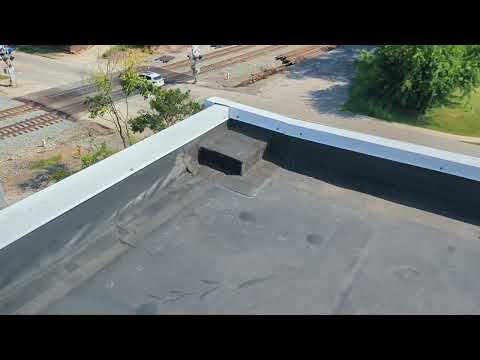
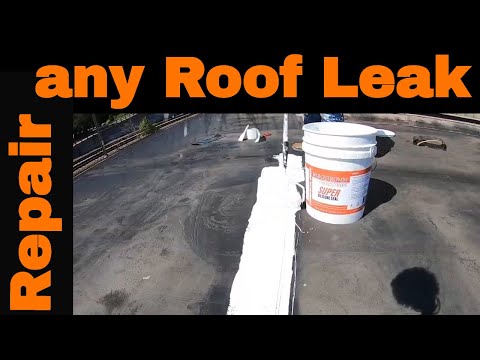
This Roof Coating will REPAIR water LEAKS on ROOFS. Fixing leaky Rubber ROOF stopped water leaks. Watch how I saved the owner from having to replace this roof. Even Roofing Contractors don't know this secret. A Do It Yourself Repair. This method will extend your flat roofing rubber by 5 - 10 years. There is no need to call Roofing Contractors to do any roof repair. To buy Turbo Poly Seal or Super Silicone Seal - https://bergstromm.com/. This method can be applied to metal roofs, torch-down roofs, EPDM Rubber Roofs, and TPO Roofs.
Super Silicone Seal  - https://bergstromm.com/
FTC Affiliate Disclaimer -  I get commissions for purchases made through links in this post.
In this video, you will see the following:
1. The heat difference from a black rubber roof to a white-coated rubber roof
2. Flexibility test between roofing products
3. Best practice to save your rubber roof
4. How to calculate the  cost of repairing your own roof per square feet
5. Tools you need for roofing repairs
6. The importance of a protective coating against Ultraviolets and heat

0:00 How to save an EPDM Rubber Roof
0:28 Seam Tape destroyed by heat
0:44 Roof Temp over 180 F
1:06 Rubber is very thin
1:17 Explaining the concept
1:40 No need to clean thoroughly
1:57 Proof that SSS sticks well
2:35 What other Roofers do
2:50 How to repair seam with SSS
3:54 Painting Seems to extend the life
4:47 Old Silicone Coated Roof
5:44 Flexibility Test between products
7:00 Showing Stretchability
7:36 How much 1 Gal covers
10:30 End

This is one of the best videos to get knowledge on rubber roofing that can help you make decisions on your next flat roof repair.
You can avoid the expense of a new Rubber Flat Roof if you would only follow the instructions in this video.  Learn from the experience of The Flat Roof Doctor to make the proper decision.
EPDM Rubber Roofs are known to leak within 5 years of installation. The best practice would be to protect every seam and flashing from the heat and ultraviolet rays. This way you will extend your EPDM Roof life expectancy. Coating the seams with Super Silicone Seal from Bergstromm.com will reduce the heat on all the seams and at the same time protect the cover tape from ultraviolet degradation.
The cost is very low when you do this repair within a few years of the installation of your rubber roof. A five-gallon pale of Super Silicone Seal will cost approximately $400 and a 6" roller and handle and you can cover all the seams on a fairly large EPDM Rubber roof.

How to repair or extend the life of an EPDM Rubber Roof:
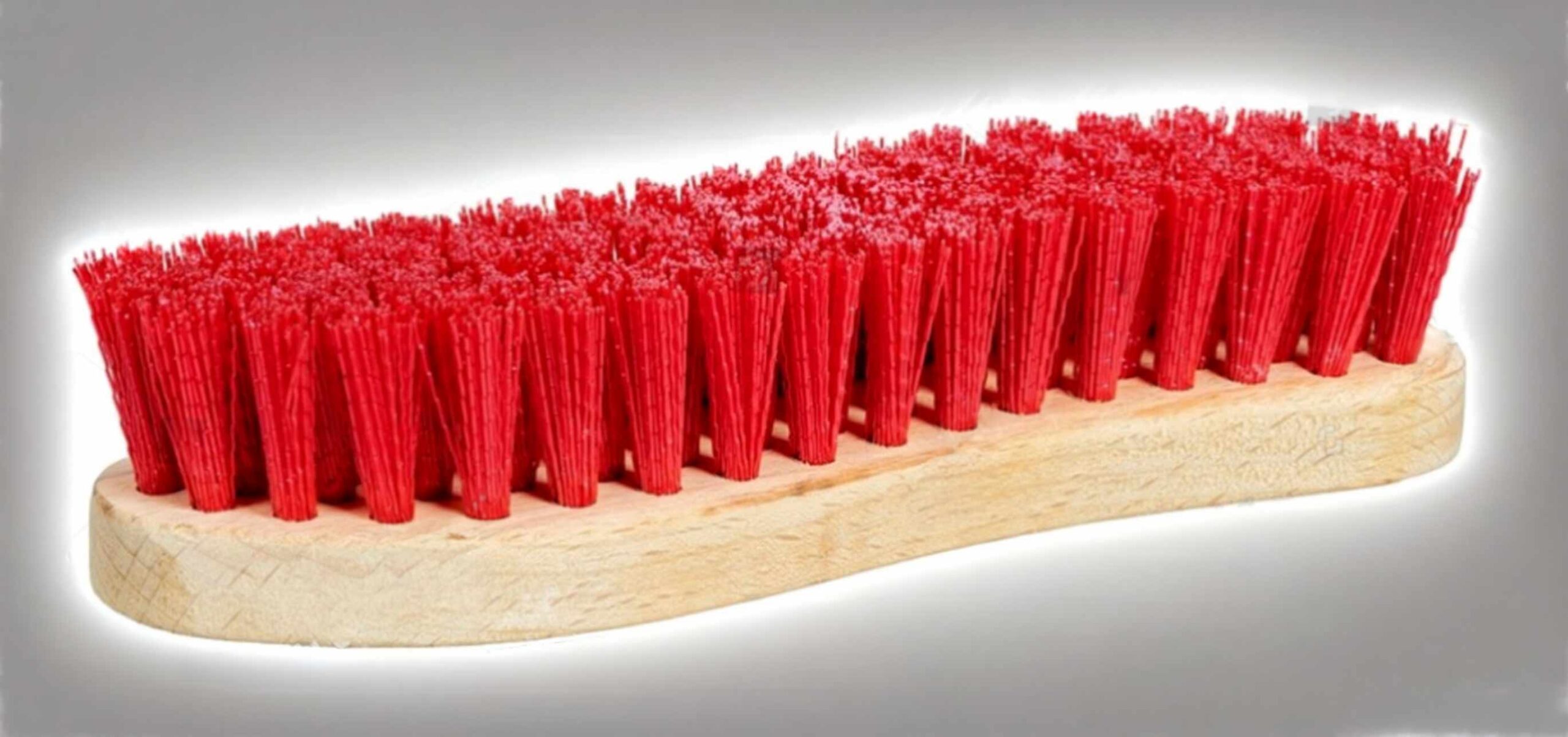
1. Brush clean all the seams with a stiff bristle brush to remove debris and dust that has caked on
2. Use a leaf blower to remove dust and debris
3. Buy Super Silicone Seal from Bergstromm.com
4. Shake the pale or stir with a paint stirrer
5. Apply one coat of Super Silicone Seal with a six-inch roller
6. Apply a second coat the following day

By following these steps above you will extend your roof's life and eliminate repairs in the future.
The super Silicone Seal bonds to the EPDM and reduces the heat by 50% on any sunny day. In the video, you will see where I measured the heat and in some areas, the roof temperature was 180 degrees Fahrenheit. Use this Flat Roof Coating to Repair/Fix leaks| Extend EPDM Rubber Roof Life | SUPER SILICONE SEAL

Use this Flat Roof Coating to Repair/Fix leaks| Extend EPDM Rubber Roof Life | SUPER SILICONE SEAL

243.3K views

Seal any Roof Leak, whether a Chimney Cap Leak, Rubber Roof Seam, or Skylight Leak, with Super Silicone Seal in 5 min with little preparation. This is a DIY repair kit that will save you lots of money. No need to contact a roofer to fix leaks
Super Silicone Seal can be bought at https://bergstromm.com/
FTC Affiliate Disclaimer -  I get commissions for purchases made through links in this post.
Super Silicone Seal will adhere to almost any surface. It is good for skylight leak repairs, transitioning from the metal frame to the glass.
It will seal cracks on chimney crowns. 
Super Silicone Seal is excellent for repairing seams on a rubber roof.
There are many uses and benefits for this product that help make Repairs a breeze. 
00:00 Sealing Metal Ductwork
00:57 Chimney Cap Sealed
02:27 Skylight Sealed
03:28 Rubber roof low spot filled
04:04 Rubber Roof Seam sealed

Four Easy Steps on How to Repair Leaks on Chimneys, Skylights, and Rubber Roofs:
1. Wipe clean the surface with a rag
2. Brush on a coat of sealant over the seam or crack about 2 inches on either side
3. Apply the polyester fleece, embedding it into the sealant
4. Apply a second coat covering the fleece 

For cleaner results, you can use masking tape to tape the area off where you don't want any of the sealants. Remember to remove the masking tape as soon as you have applied the second coat before it cures.

In many cases, you don't need to use Polyester Fleece. 
Super Silicone can build up a low spot where water is pooling on a roof. STOP ANY LEAK period - chimney cap, duct work, rubber roof, skylight - seal/Fix/ Repair leaks

STOP ANY LEAK period - chimney cap, duct work, rubber roof, skylight - seal/Fix/ Repair leaks

5.9K views

Super-Silicone-Roof-Coating-SDS-1425381

Videos on Super Silicone Application:
This Roof Coating will REPAIR water LEAKS on ROOFS. Fixing leaky Rubber ROOF stopped water leaks. Watch how I saved the owner from having to replace this roof. Even Roofing Contractors don't know this secret. A Do It Yourself Repair. This method will extend your flat roofing rubber by 5 - 10 years. There is no need to call Roofing Contractors to do any roof repair. To buy Turbo Poly Seal or Super Silicone Seal - https://bergstromm.com/. This method can be applied to metal roofs, torch-down roofs, EPDM Rubber Roofs, and TPO Roofs.
Super Silicone Seal  - https://bergstromm.com/
FTC Affiliate Disclaimer -  I get commissions for purchases made through links in this post.
In this video, you will see the following:
1. The heat difference from a black rubber roof to a white-coated rubber roof
2. Flexibility test between roofing products
3. Best practice to save your rubber roof
4. How to calculate the  cost of repairing your own roof per square feet
5. Tools you need for roofing repairs
6. The importance of a protective coating against Ultraviolets and heat

0:00 How to save an EPDM Rubber Roof
0:28 Seam Tape destroyed by heat
0:44 Roof Temp over 180 F
1:06 Rubber is very thin
1:17 Explaining the concept
1:40 No need to clean thoroughly
1:57 Proof that SSS sticks well
2:35 What other Roofers do
2:50 How to repair seam with SSS
3:54 Painting Seems to extend the life
4:47 Old Silicone Coated Roof
5:44 Flexibility Test between products
7:00 Showing Stretchability
7:36 How much 1 Gal covers
10:30 End

This is one of the best videos to get knowledge on rubber roofing that can help you make decisions on your next flat roof repair.
You can avoid the expense of a new Rubber Flat Roof if you would only follow the instructions in this video.  Learn from the experience of The Flat Roof Doctor to make the proper decision.
EPDM Rubber Roofs are known to leak within 5 years of installation. The best practice would be to protect every seam and flashing from the heat and ultraviolet rays. This way you will extend your EPDM Roof life expectancy. Coating the seams with Super Silicone Seal from Bergstromm.com will reduce the heat on all the seams and at the same time protect the cover tape from ultraviolet degradation.
The cost is very low when you do this repair within a few years of the installation of your rubber roof. A five-gallon pale of Super Silicone Seal will cost approximately $400 and a 6" roller and handle and you can cover all the seams on a fairly large EPDM Rubber roof.

How to repair or extend the life of an EPDM Rubber Roof:
1. Brush clean all the seams with a stiff bristle brush to remove debris and dust that has caked on
2. Use a leaf blower to remove dust and debris
3. Buy Super Silicone Seal from Bergstromm.com
4. Shake the pale or stir with a paint stirrer
5. Apply one coat of Super Silicone Seal with a six-inch roller
6. Apply a second coat the following day

By following these steps above you will extend your roof's life and eliminate repairs in the future.
The super Silicone Seal bonds to the EPDM and reduces the heat by 50% on any sunny day. In the video, you will see where I measured the heat and in some areas, the roof temperature was 180 degrees Fahrenheit. Use this Flat Roof Coating to Repair/Fix leaks| Extend EPDM Rubber Roof Life | SUPER SILICONE SEAL

Use this Flat Roof Coating to Repair/Fix leaks| Extend EPDM Rubber Roof Life | SUPER SILICONE SEAL

243.3K views

Seal any Roof Leak, whether a Chimney Cap Leak, Rubber Roof Seam, or Skylight Leak, with Super Silicone Seal in 5 min with little preparation. This is a DIY repair kit that will save you lots of money. No need to contact a roofer to fix leaks
Super Silicone Seal can be bought at https://bergstromm.com/
FTC Affiliate Disclaimer -  I get commissions for purchases made through links in this post.
Super Silicone Seal will adhere to almost any surface. It is good for skylight leak repairs, transitioning from the metal frame to the glass.
It will seal cracks on chimney crowns. 
Super Silicone Seal is excellent for repairing seams on a rubber roof.
There are many uses and benefits for this product that help make Repairs a breeze. 
00:00 Sealing Metal Ductwork
00:57 Chimney Cap Sealed
02:27 Skylight Sealed
03:28 Rubber roof low spot filled
04:04 Rubber Roof Seam sealed

Four Easy Steps on How to Repair Leaks on Chimneys, Skylights, and Rubber Roofs:
1. Wipe clean the surface with a rag
2. Brush on a coat of sealant over the seam or crack about 2 inches on either side
3. Apply the polyester fleece, embedding it into the sealant
4. Apply a second coat covering the fleece 

For cleaner results, you can use masking tape to tape the area off where you don't want any of the sealants. Remember to remove the masking tape as soon as you have applied the second coat before it cures.

In many cases, you don't need to use Polyester Fleece. 
Super Silicone can build up a low spot where water is pooling on a roof. STOP ANY LEAK period - chimney cap, duct work, rubber roof, skylight - seal/Fix/ Repair leaks

STOP ANY LEAK period - chimney cap, duct work, rubber roof, skylight - seal/Fix/ Repair leaks

5.9K views